Ultimate Guide to Manhwa, Manga & Manhua
Discover the fascinating world of Korean webtoons, Japanese manga, and Chinese manhua. Your comprehensive guide to reading comics online with English subtitles on any device.
What is Manhwa, Manga, and Manhua?
The world of Asian comics has exploded in popularity globally, with three distinct forms leading the charge: manhwa from Korea, manga from Japan, and manhua from China. These digital comics have revolutionized how we consume visual storytelling, offering unique art styles, compelling narratives, and accessibility that traditional print media simply cannot match.
Understanding Manhwa: Korean Webtoons
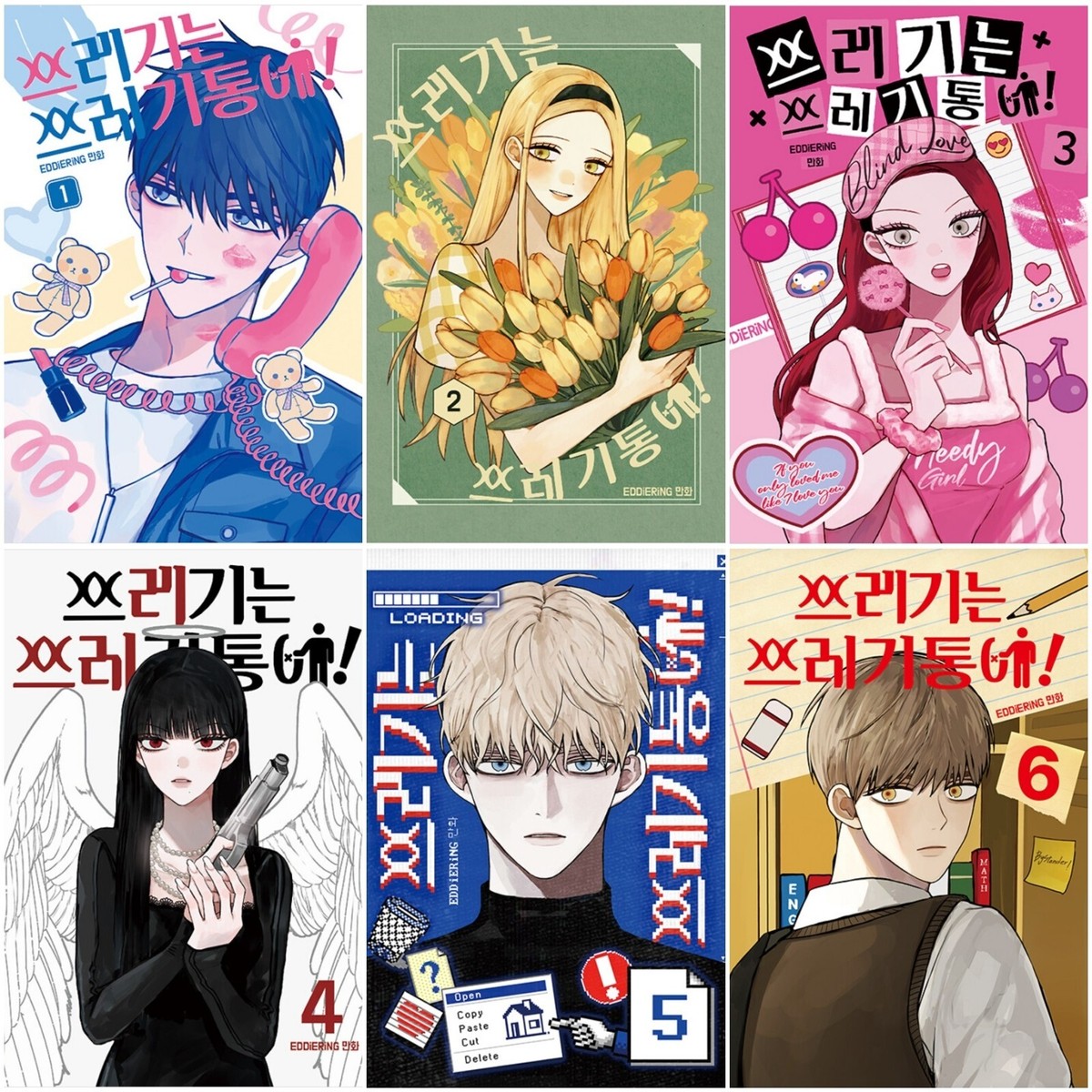
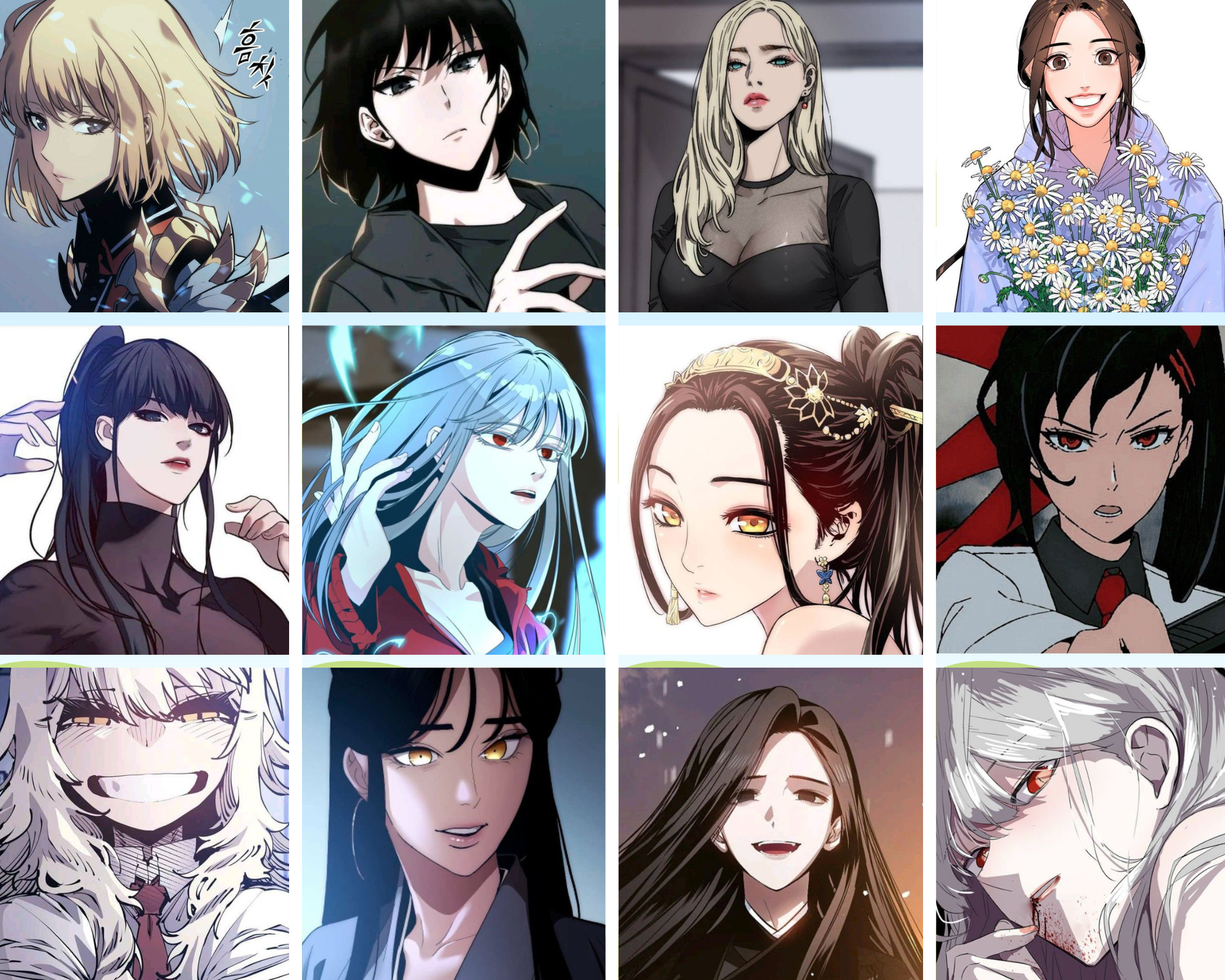
Manhwa represents the Korean approach to digital comics, characterized by its vertical scrolling format designed specifically for mobile reading. Unlike traditional manga panels, manhwa flows seamlessly from top to bottom, creating an immersive reading experience perfect for smartphones and tablets. Korean manhwa often features stunning full-color artwork, complex character development, and storylines that blend traditional Korean culture with modern themes.
The term "manhwa" literally translates to "comics" in Korean, but modern manhwa has evolved far beyond simple comic strips. Today's manhwa encompasses everything from romantic comedies to intense action thrillers, fantasy epics to slice-of-life dramas. Popular titles like "Tower of God," "Solo Leveling," and "True Beauty" have gained international recognition, proving that manhwa can compete on the global stage.
Exploring Manga: Japanese Comics Heritage
Manga represents the traditional and most established form of Asian comics, originating from Japan with a rich history spanning centuries. Japanese manga follows a distinctive right-to-left reading pattern and typically features black-and-white artwork with occasional color pages. The art style varies dramatically between genres, from the large-eyed characters of shoujo manga to the detailed action sequences of shounen titles.
What sets manga apart is its incredible diversity and depth. Japanese creators have developed sophisticated storytelling techniques that can convey complex emotions and intricate plot developments through visual narrative. Manga covers every conceivable genre and demographic, with specific categories like shounen (young males), shoujo (young females), seinen (adult males), and josei (adult females), each with distinct artistic and narrative conventions.
The influence of manga extends far beyond Japan, inspiring animated adaptations (anime), live-action films, video games, and merchandise. Popular series like "Naruto," "One Piece," "Attack on Titan," and "Demon Slayer" have become global phenomena, introducing millions of readers to Japanese culture and storytelling techniques.
Discovering Manhua: Chinese Digital Innovation
Manhua represents the Chinese contribution to the Asian comics landscape, combining traditional Chinese artistic elements with modern digital storytelling. Chinese manhua often incorporates elements of Chinese mythology, martial arts, cultivation stories, and historical settings, offering readers a unique cultural perspective that differs significantly from Korean and Japanese comics.
Modern manhua has embraced digital technology enthusiastically, with many titles featuring full-color artwork and innovative panel layouts designed for online consumption. The cultivation genre, where protagonists gain supernatural powers through training and enlightenment, has become particularly popular in manhua, reflecting traditional Chinese philosophical concepts about self-improvement and spiritual development.
Chinese manhua platforms have also pioneered interactive features, allowing readers to comment on specific panels, participate in polls about story direction, and even influence character development through reader feedback. This level of reader engagement has created a more dynamic relationship between creators and audiences than traditional publishing models allow.
History and Origins of Asian Comics
The Evolution of Manhwa
Korean manhwa has undergone a remarkable transformation from its humble beginnings in the early 20th century to its current status as a global digital phenomenon. Early manhwa was heavily influenced by Japanese manga during the colonial period, but Korean artists gradually developed their own distinctive style and storytelling approach.
The digital revolution of the 2000s marked a turning point for manhwa. Korean publishers and artists embraced webtoon platforms, creating comics specifically designed for online consumption. This shift to digital-first publishing allowed Korean creators to experiment with vertical scrolling formats, full-color artwork, and multimedia elements that would be impossible in print.
Major Korean platforms like Naver Webtoon and Daum Webtoon became incubators for new talent, offering aspiring artists opportunities to publish their work and build audiences without traditional publishing barriers. This democratization of publishing led to an explosion of creativity and diversity in manhwa content, with genres and themes that might never have found traditional publishers gaining devoted followings.
Manga's Rich Cultural Heritage
Japanese manga traces its roots back to ancient scroll paintings and woodblock prints, with the modern manga format emerging in the post-World War II era. Pioneering artists like Osamu Tezuka revolutionized the medium by introducing cinematic storytelling techniques, complex character development, and themes that appealed to both children and adults.
The 1960s and 1970s saw manga diversify into distinct demographic categories, with specialized magazines targeting specific age groups and interests. This segmentation allowed manga to explore mature themes and complex narratives that broadened its appeal beyond children's entertainment. The development of specialized manga magazines created sustainable career paths for artists and writers, leading to the professional manga industry we know today.
International expansion began in the 1990s with anime adaptations introducing global audiences to manga storytelling. The subsequent translation and publication of manga in multiple languages created a worldwide fanbase that continues to grow today. Digital platforms have made manga more accessible than ever, allowing readers worldwide to access the latest chapters simultaneously with Japanese releases.
Manhua's Modern Renaissance
Chinese manhua has experienced dramatic growth and innovation in recent years, driven by technological advancement and changing cultural attitudes. Traditional Chinese comics existed for centuries, but modern manhua emerged as creators began adapting storytelling techniques from both manga and Western comics while incorporating distinctly Chinese elements.
The rise of Chinese digital platforms coincided with increased government support for domestic cultural content creation. This combination of technological infrastructure and cultural policy created fertile ground for manhua creators to experiment with new formats, genres, and storytelling approaches.
Chinese manhua has been particularly innovative in incorporating multimedia elements, with some series featuring animated panels, sound effects, and interactive features that blur the line between comics and animation. This technological experimentation positions Chinese manhua at the forefront of digital comics innovation.
Popular Genres and Trending Series
Romance & Drama
Romantic manhwa and manga have captured hearts worldwide with their beautiful art and compelling relationship dynamics. From high school love stories to workplace romances, these series explore every aspect of human relationships with emotional depth and visual beauty.
Action & Adventure
High-octane action series featuring supernatural powers, martial arts, and epic battles. These titles showcase incredible artwork and choreographed fight sequences that push the boundaries of visual storytelling in digital comics.
Fantasy & Supernatural
Magical worlds, mythical creatures, and supernatural powers dominate this popular genre. From cultivation stories in manhua to magical girl transformations in manga, fantasy comics offer escape into extraordinary realms.
Slice of Life
Everyday stories that find extraordinary meaning in ordinary moments. These series excel at character development and emotional storytelling, proving that comics can be profound without epic battles or magical elements.
Horror & Thriller
Psychological thrillers and horror stories that showcase the medium's ability to create tension and atmosphere. Korean horror manhwa, in particular, has gained recognition for its innovative use of digital format to enhance scares.
Comedy & Parody
Humorous series that range from slapstick comedy to sophisticated satire. These comics demonstrate the versatility of the medium in delivering laughs while often providing social commentary.
Trending Series Across Platforms
The global popularity of Asian comics has created international bestsellers that transcend cultural boundaries. Korean manhwa like "Solo Leveling" has become a worldwide phenomenon, demonstrating how modern webtoons can achieve mainstream success through compelling storytelling and stunning artwork.
Japanese manga continues to dominate with long-running series like "One Piece" and newer hits like "Jujutsu Kaisen" proving that traditional manga storytelling remains relevant in the digital age. These series have successfully adapted to online platforms while maintaining their distinctive artistic and narrative styles.
Chinese manhua has gained international recognition with cultivation and fantasy series that offer unique perspectives on power progression and character development. Series like "Tales of Demons and Gods" have found devoted international audiences despite cultural differences in storytelling approaches.
Genre Evolution and Innovation
Modern Asian comics continuously push genre boundaries, creating hybrid categories that combine elements from multiple traditional genres. Isekai (transported to another world) stories have evolved beyond simple fantasy adventures to explore complex themes about identity, purpose, and social responsibility.
The rise of webcomics has also enabled experimental genres that might not find traditional publishing support. Interactive comics, choose-your-own-adventure manhwa, and multimedia-enhanced series represent the cutting edge of digital comics innovation.
Cross-cultural pollination has created fascinating fusion genres where Korean emotional storytelling meets Japanese action sensibilities or Chinese cultivation concepts combine with Western superhero tropes. This genre mixing reflects the increasingly global nature of comic creation and consumption.
Complete Reading Guide: Where and How to Read
Official Platforms and Legal Reading
Reading manhwa, manga, and manhua legally through official platforms ensures creators receive proper compensation while providing readers with high-quality translations and reliable access to new chapters. Major platforms like Webtoon, Crunchyroll Manga, and VIZ Media offer extensive libraries with both free and premium content options.
Webtoon has become the premier destination for manhwa and original webtoons, offering thousands of titles in English translation with regular update schedules. The platform's free-to-read model with optional fast-pass purchases allows readers to enjoy content while supporting creators financially.
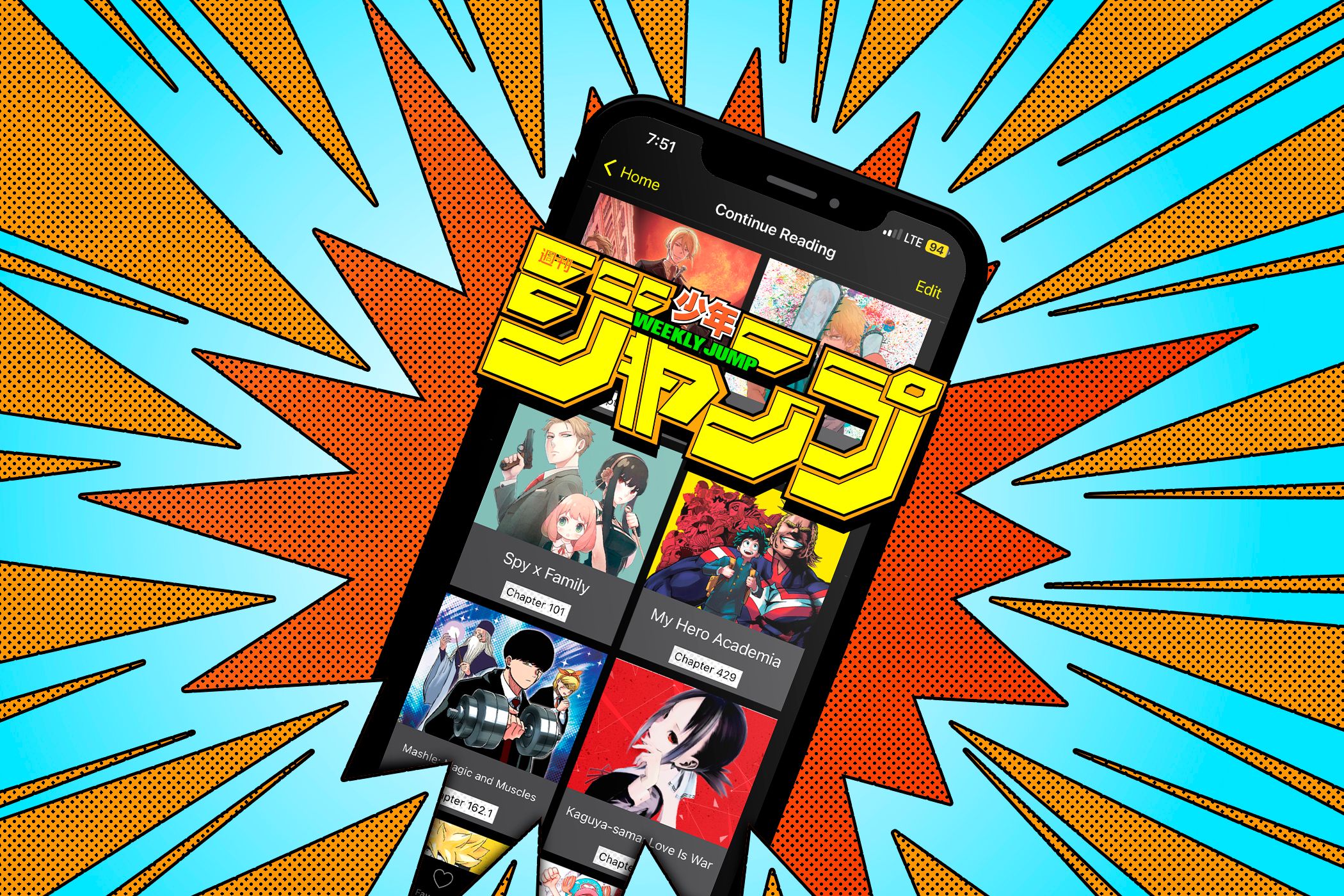
For manga enthusiasts, platforms like Manga Plus by Shueisha provide simultaneous English releases of popular Jump series, while ComiXology and Amazon Kindle offer extensive digital manga libraries with high-quality translations and professional editing.
Chinese manhua can be found on platforms like Bilibili Comics and various publisher-specific websites that offer English translations of popular cultivation and fantasy series. These platforms often provide unique features like character relationship charts and cultivation level explanations to help international readers understand genre-specific concepts.
Reading Techniques and Tips
Each format requires different reading approaches to fully appreciate the artistic and narrative techniques employed by creators. Manhwa's vertical scrolling format works best when read continuously, allowing the pacing and panel transitions to create their intended emotional impact. Take time to appreciate the full-color artwork and notice how creators use negative space and panel breaks to control reading rhythm.
Traditional manga reading follows right-to-left, top-to-bottom conventions that may feel awkward initially but become natural with practice. Pay attention to visual metaphors, background details, and the way artists use panel shapes and sizes to convey emotion and pacing. Many manga series reward careful readers with subtle visual storytelling that complements the written narrative.
Manhua often incorporates cultural references and concepts that may require additional context for international readers. Don't hesitate to research unfamiliar terms or concepts, as understanding the cultural background often enhances appreciation of the story's deeper themes and character motivations.
Building Your Reading Library
Successful comic reading involves discovering series that match your personal preferences while remaining open to new genres and storytelling styles. Start with highly recommended beginner-friendly series in genres you already enjoy, then gradually explore more challenging or experimental works as you develop appreciation for the medium's unique storytelling capabilities.
Create reading lists that balance ongoing series with completed works to avoid overwhelming yourself with too many simultaneous storylines. Many readers find success following 3-5 ongoing series while reading 1-2 completed series for variety and guaranteed narrative resolution.
Engage with reading communities to discover hidden gems and get recommendations based on your preferences. Online forums, social media groups, and review websites provide valuable insights into series quality and help identify content that matches your interests while avoiding potential disappointments.
Understanding Translation Quality
High-quality translations preserve the original work's tone, cultural context, and artistic intent while making content accessible to international audiences. Professional translations include translator notes that explain cultural references, maintain consistent character voice and personality, and adapt humor appropriately for target audiences.
Be aware that different translation approaches can significantly impact reading experience. Some translators prioritize literal accuracy while others focus on cultural adaptation and readability. Understanding these different approaches helps readers appreciate translation choices and find versions that match their preferences.
Fan translations often provide faster access to new chapters but may vary in quality and accuracy. While these translations serve an important role in introducing international audiences to new series, transitioning to official translations when available supports creators and typically provides superior reading experiences.
Mobile Reading Revolution
Optimized Mobile Experience
Mobile devices have revolutionized comic reading, making it possible to enjoy manhwa, manga, and manhua anywhere, anytime. Modern smartphones and tablets provide ideal reading platforms with high-resolution screens, intuitive touch controls, and optimized apps designed specifically for digital comic consumption.
Manhwa's vertical scrolling format was designed specifically for mobile reading, creating seamless experiences that feel natural on smartphone screens. The elimination of page breaks and panel borders allows for smooth reading that adapts perfectly to various screen sizes and orientations.
Mobile reading apps offer features impossible in print format: adjustable brightness for reading in different lighting conditions, zoom capabilities for detailed artwork appreciation, offline downloading for reading without internet connectivity, and bookmarking systems that sync across multiple devices.
Essential Mobile Reading Apps
Dedicated reading apps provide superior experiences compared to web browsers, with features specifically designed for comic consumption. The official Webtoon app leads in manhwa reading with its smooth scrolling, notification systems for new chapter releases, and community features that allow readers to comment and interact with creators.
Manga reading apps like VIZ Media's official app and Crunchyroll Manga provide professional-quality translations with features like panel-by-panel reading modes that adapt traditional manga layouts for mobile screens. These apps often include exclusive content and early access to new chapters for subscribers.
Multi-platform apps that support various comic formats allow readers to manage diverse reading libraries from single applications. These apps typically include cloud synchronization, reading progress tracking, and customizable reading interfaces that adapt to different comic formats and personal preferences.
Reading Settings and Customization
Modern reading apps offer extensive customization options that enhance comfort and accessibility. Brightness adjustment, color temperature control, and dark mode options reduce eye strain during extended reading sessions, particularly important for readers who enjoy late-night comic binges.
Font size adjustment and text contrast options ensure comfortable reading regardless of vision requirements or device screen quality. Many apps also offer reading speed controls for webtoons with animated elements, allowing readers to adjust pacing to match their preferences.
Notification management helps readers stay current with favorite series without becoming overwhelmed by constant updates. Customizable notification schedules allow readers to receive chapter updates at convenient times while filtering out less important platform announcements.
Offline Reading and Data Management
Offline downloading capabilities transform mobile devices into portable comic libraries, essential for readers with limited internet connectivity or data plan restrictions. Most official apps allow downloading of purchased or subscription content for offline access, ensuring reading continuity regardless of network availability.
Data usage optimization features help readers manage bandwidth consumption, particularly important for high-quality full-color manhwa and manhua. Compression options and image quality settings allow customization based on data plan limitations and storage capacity.
Cloud synchronization ensures reading progress, bookmarks, and library organization remain consistent across multiple devices. This feature allows seamless transitions between phone, tablet, and computer reading while maintaining personalized settings and preferences.
Social and Community Features
Mobile reading platforms increasingly incorporate social features that enhance the reading experience through community interaction. Comment systems allow readers to share reactions and theories with fellow fans, creating virtual reading communities around popular series.
Rating and review systems help readers discover new series while providing feedback to creators about audience preferences. These features create valuable feedback loops that influence future content creation and help readers identify high-quality series worth their time investment.
Sharing capabilities make it easy to recommend favorite series to friends and family through social media integration and direct messaging features. These social aspects transform solitary reading into shared cultural experiences that build lasting connections between readers.
Future of Mobile Comics
Emerging technologies promise to further enhance mobile comic reading experiences. Augmented reality features could overlay additional information about characters and plot points, while artificial intelligence might provide personalized reading recommendations based on detailed preference analysis.
Interactive comics that respond to reader choices represent the cutting edge of digital storytelling, blurring boundaries between comics and interactive entertainment. These innovations may become standard features as mobile devices become more powerful and creators experiment with new storytelling possibilities.
Voice narration and audio enhancement features could make comics more accessible to visually impaired readers while adding new dimensions to storytelling through professional voice acting and sound effects integration.
Best Practices for Mobile Reading
Successful mobile comic reading involves developing habits that maximize enjoyment while protecting device health and personal well-being. Regular screen breaks prevent eye strain and maintain focus during extended reading sessions, while proper lighting reduces glare and improves visual comfort.
Battery management becomes crucial for dedicated readers, with features like power-saving modes and offline reading helping extend device usage between charges. Portable charging solutions ensure reading continuity during long commutes or travel periods.
Storage management requires balancing downloaded content with device capacity limitations. Regular library cleanup and selective downloading help maintain optimal device performance while ensuring access to priority reading material.
